What Does a Ship Broker Do? Chartering, Sale & Purchase and How to Become One
Last updated: 22 October 2026
Ship brokers are the dealmakers of the shipping world. They match ships with cargoes, negotiate charter rates worth millions of dollars, and arrange the sale of vessels between owners. London has been the global centre of shipbroking for centuries, and it remains one of the most exciting careers in maritime business.
What is a ship broker?
A ship broker is an intermediary who negotiates between shipowners and charterers (the companies that need ships to carry cargo), or between buyers and sellers of ships. Brokers bring market knowledge, contacts and negotiating skill, and they are paid by commission.
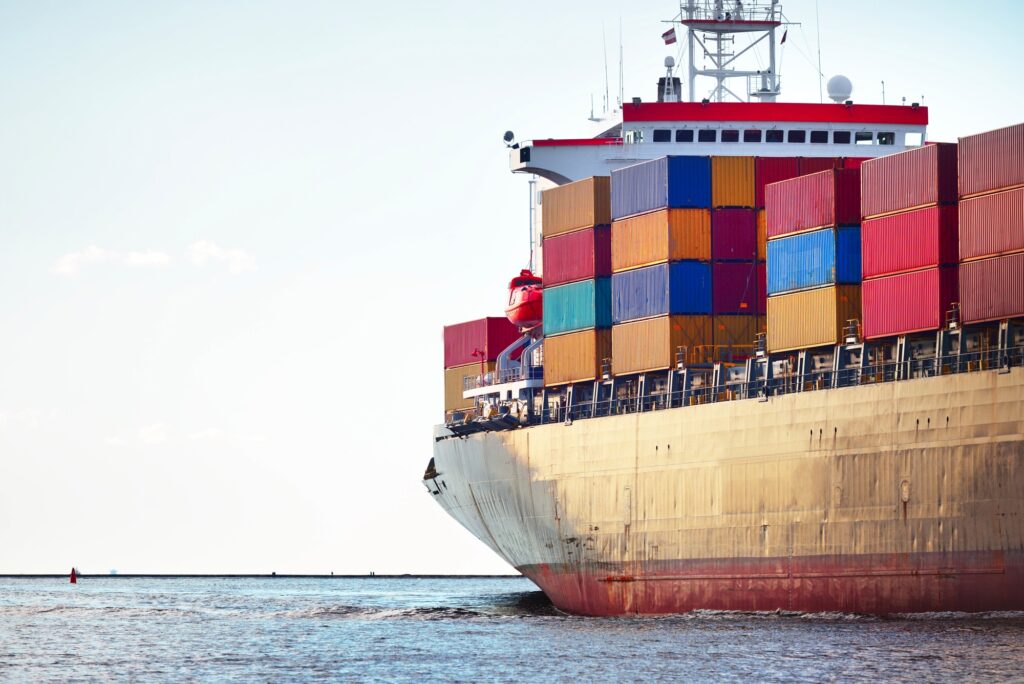
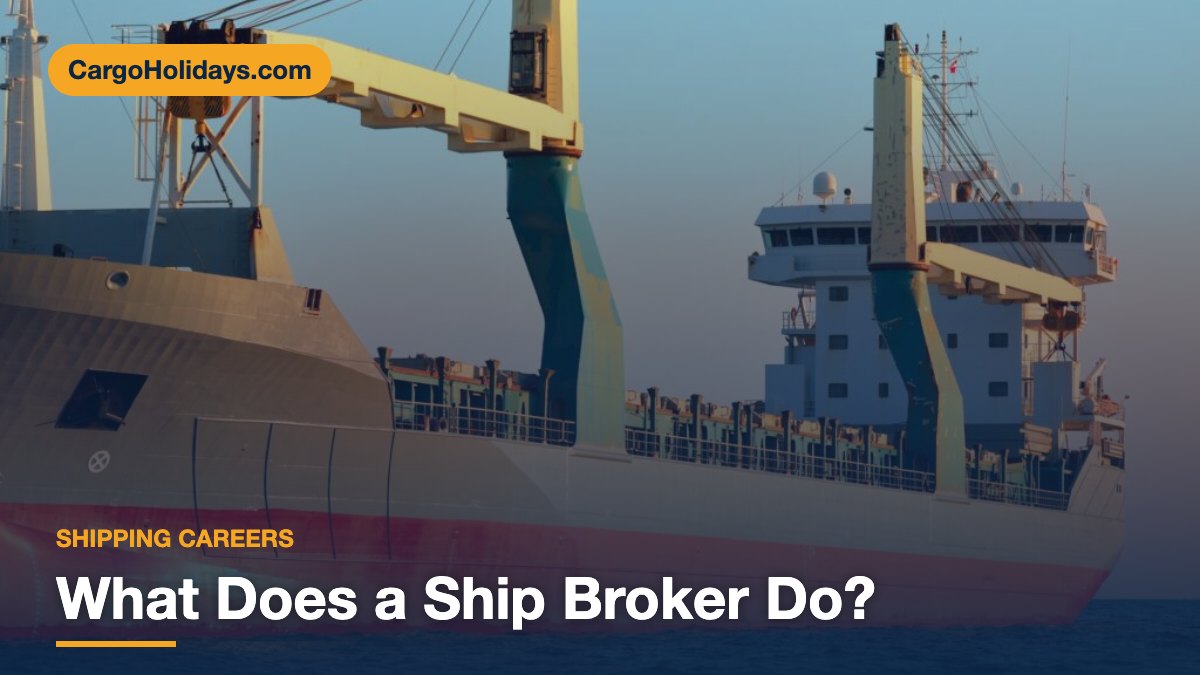
Chartering brokers match ships with cargoes and charterers.
Types of ship broker
Type
What they do
Dry cargo chartering broker
Fixes bulk carriers for coal, grain, iron ore and similar cargoes
Tanker broker
Fixes tankers for crude oil, products, chemicals and gas
Container and liner broker
Charters container ships to shipping lines
Sale and purchase (S&P) broker
Arranges the sale of second-hand ships and new-build contracts
Demolition broker
Sells ships at the end of their life for recycling
Projects and specialist broker
Heavy-lift, offshore and specialist vessels
How ship brokers earn money
Brokers usually earn a commission based on the freight, hire or sale price. On charters, a commission of around 1.25% of the freight or hire is common, though it varies. On ship sales, commission is usually around 1% of the price. On big deals and strong markets, that adds up fast.
Sale-and-purchase brokers handle the buying and selling of ships.
A day in the life
Talking to owners and charterers on the phone and in chat from early morning
Tracking positions of ships and cargoes worldwide
Negotiating rates and terms, called “fixing” a ship
Drafting charter party contracts and recaps
Following up after fixture on loading, laytime and demurrage
The Baltic Exchange
The Baltic Exchange in London publishes benchmark freight indices, such as the Baltic Dry Index, and sets standards of conduct for its members. Membership is a mark of professionalism for brokers and shipping companies.
How to become a ship broker in the UK
Get a relevant start. A degree in shipping, business, economics or a language helps, but many brokers join straight from school as trainees.
Join as a trainee or assistant at a shipbroking firm in London or another hub.
Study for the Institute of Chartered Shipbrokers (ICS) qualifications, the main professional qualification.
Build your network and market knowledge, because relationships are everything in broking.
Earnings vary widely, from trainee salaries to very high earnings for senior brokers with strong client books and bonuses.
Ship broker vs freight forwarder
A ship broker deals in whole ships: chartering or selling them. A freight forwarder deals in cargo space: booking containers on ships for importers and exporters. See sea freight from the UK and how much a container ship costs.
Frequently asked questions
What does a ship broker do?
Negotiates deals between shipowners and charterers, or between buyers and sellers of ships, and earns a commission.
How much do ship brokers earn?
It varies widely. Trainees earn modest salaries, while experienced brokers can earn very well through commission and bonuses.
How do I become a ship broker?
Start as a trainee at a broking firm and study for the Institute of Chartered Shipbrokers qualifications.
What is a charter party?
The contract between a shipowner and a charterer, setting out the terms for hiring the ship.
What is the Baltic Exchange?
A London-based organisation that publishes freight market indices and sets standards for shipbroking.
See the ships behind the deals
Sail on a working container ship and see global trade first-hand.
Passionate about slow trip travel and sea. Steve know most shipping route and procedure to discover our beautiful world from sea on a container ship. He have been at most trips from 7 days on cargo travel to 140 days on board.