How Much Does a Container Ship Cost? Prices of New and Used Cargo Ships
By Steve Joury / October 22, 2026
How much does a container ship cost? New-build and second-hand prices by size, from feeders to 24,000 TEU giants, plus...
Read More
Last updated: 22 October 2026
Container ships are among the most expensive machines ever built. A brand-new giant can cost more than a fleet of jumbo jets, yet these ships carry goods so efficiently that shipping a pair of trainers across the world costs only a few pence. Here is what container ships cost to buy and to run.
Prices depend on size, specification, the shipyard and the market. They also rise and fall with demand. As a broad guide:
| Size | Capacity | Indicative new-build price |
|---|---|---|
| Feeder | 1,000–3,000 TEU | Around US$25–50 million |
| Panamax / intermediate | 4,000–8,000 TEU | Around US$60–100 million |
| Neo-Panamax | 10,000–15,000 TEU | Around US$110–180 million |
| Ultra-large (ULCV) | 18,000–24,000+ TEU | Around US$180–270 million |
Ships designed to run on LNG or methanol cost more than conventional fuel oil designs. Most new container ships are built in China and South Korea, and some in Japan.
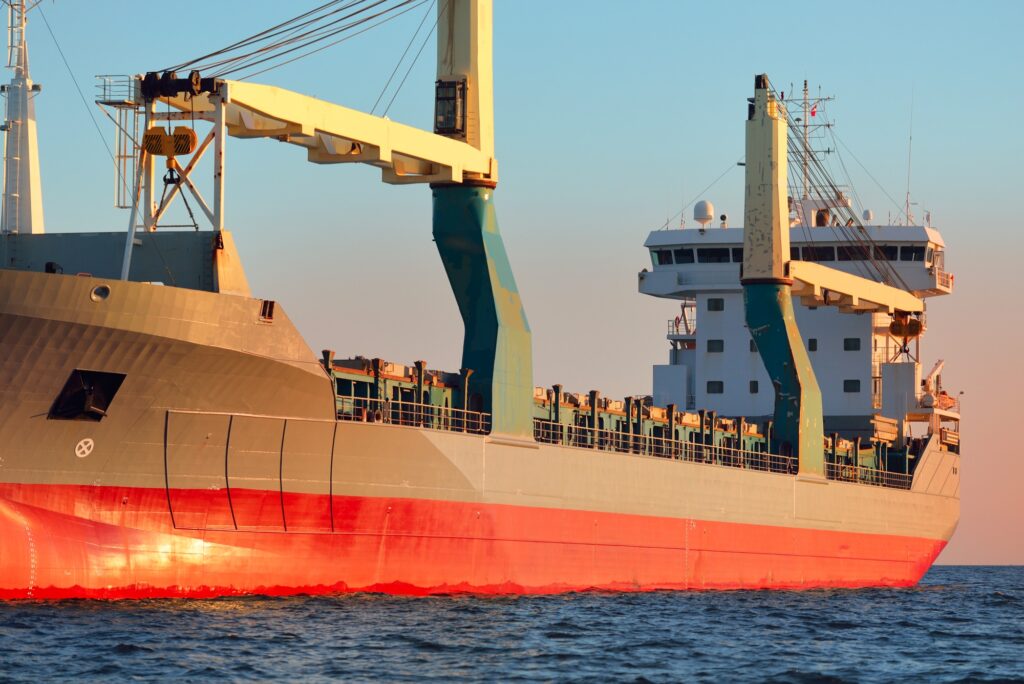
Used ships are valued on age, size, condition and the current charter market. A 20-year-old feeder may sell for a few million dollars, while a modern mid-sized ship can fetch tens of millions. When freight rates boom, second-hand prices can rise sharply.
At the end of their life, usually after 20–30 years, ships are sold for recycling. Their value depends on lightweight steel tonnage and scrap steel prices, typically in the low millions of dollars for a large ship.
| Cost | What it covers |
|---|---|
| Fuel (bunkers) | Often the biggest cost; a large ship can burn well over 100 tonnes a day at full speed |
| Crew | Wages, food, training and crew changes for about 20–30 seafarers |
| Port and canal fees | Pilotage, towage, berth fees, Suez or Panama transits |
| Maintenance and dry-docking | Regular surveys and repairs |
| Insurance | Hull, machinery, and protection and indemnity (P&I) cover |
| Financing | Loan repayments or charter hire |
Many ships are chartered: owned by one company and hired by a shipping line. Charter rates range from thousands of dollars a day for small ships to well over US$100,000 a day for big ships in a strong market.
Read about the Panama Canal and Suez Canal transits, which are major costs on some routes.
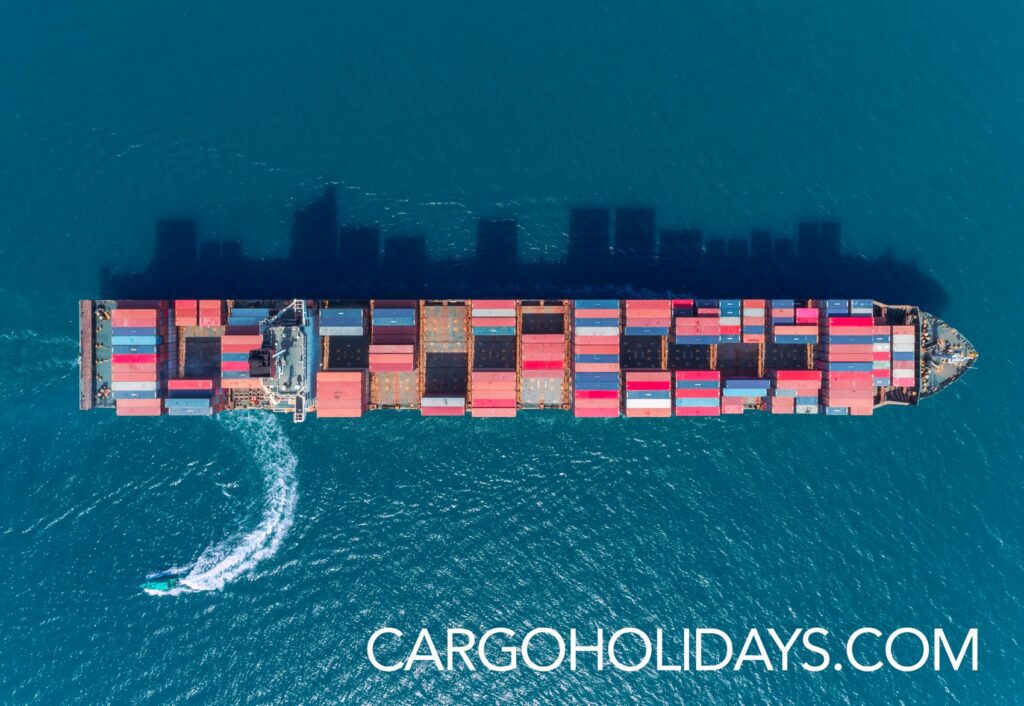
Ships are built with spare cabins for supernumeraries. Some lines sell them to the public, earning a modest extra income from cabins that would otherwise be empty. That is why you can travel on a cargo ship for around US$90–150 a day.
New ships range from about US$25 million for a small feeder to over US$200 million for the largest vessels.
Ultra-large 24,000 TEU ships typically cost roughly US$200–270 million, depending on specification and market conditions.
Yes. Second-hand ships are traded through brokers, and older small ships can cost a few million dollars.
A large container ship can burn well over 100 tonnes of fuel a day at full speed. Slow steaming reduces this.
Usually 20–30 years before recycling.
Travel as a passenger on a working container ship and see how it all runs.
Get a cargo ship voyage quote →