Cargo Ship Travel: The Complete 2026 Guide to Travelling by Freighter
Last updated: 22 October 2026
Cargo ship travel lets you cross oceans as a paying passenger on a working container or cargo ship. It is slower than flying and simpler than a cruise, but it is one of the most memorable ways to travel: a handful of passengers, a professional crew, real working ports and days of open ocean. This guide explains how it works in 2026, what it costs, where you can go from the UK and how to book.
What is cargo ship travel?
Many container ships, car carriers and general cargo vessels are built with a few cabins beyond what the crew needs. Shipping lines sell those cabins to the public. Because international rules treat a ship with more than 12 passengers as a passenger ship, freighters carry 12 guests or fewer.
You travel on the ship’s real commercial route. The ship does not wait for you, change course for sightseeing or lay on entertainment. In return you get space, quiet and a genuine look at how global trade works.
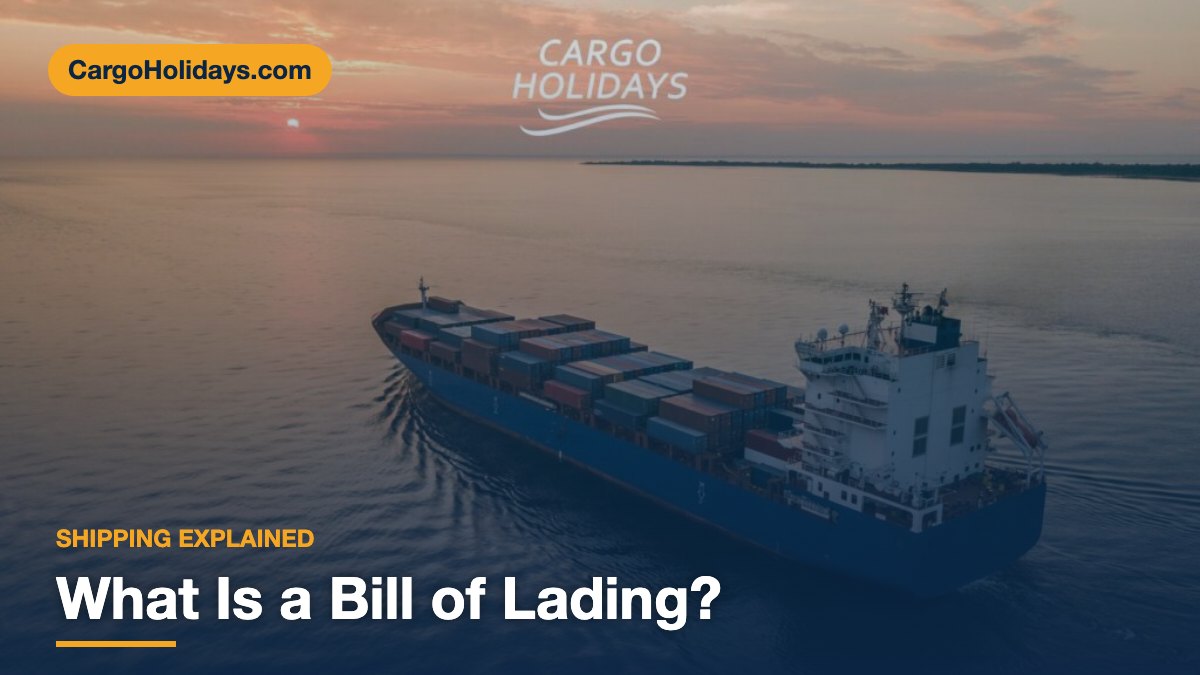
Most passenger cabins are on container ships, which carry up to 12 paying guests.
How cargo ship travel works
You book a cabin for a voyage between two ports, or for a full round trip. You join the ship in port, usually a day or so before sailing, and leave it at your destination port.
Cabins: usually outside cabins with a window, en-suite shower and a desk
Meals: three a day in the officers’ mess, included in the fare
Facilities: often a small gym, a lounge, a library and sometimes a pool
Bridge visits: usually allowed at the captain’s discretion
Schedule: dates can move by days, because cargo comes first
How much does cargo ship travel cost?
Fares are charged per person per day and normally include your cabin and all meals. Expect roughly US$90–150 a day, depending on the ship, cabin and route. Single travellers sometimes pay a supplement for a double cabin.
Voyage length
Typical fare per person
7 days (short European loop)
about US$650–1,050
10–14 days (transatlantic)
about US$900–2,100
5–6 weeks (UK to Australia)
about US$3,200–6,300
70+ days (round the world)
US$7,000 and up
On top of the fare, budget for travel insurance with deviation cover, a medical certificate, port transfers and a hotel near the port. Sailing dates can move, so leave a buffer.
Popular routes from the UK
Transatlantic: UK and northern Europe to the USA and Canada in about 9–14 days
UK to Australia: London Gateway to Sydney, Melbourne, Adelaide and Fremantle in roughly 5–6 weeks
Europe to Asia: via the Suez Canal to Singapore, China and beyond
Europe coastal loops: short round trips around northern Europe, ideal for a first voyage
West Africa and South America: longer voyages to less-visited ports
Days at sea are quiet: reading, the bridge, the gym and long views of the ocean.
Life on board
Life at sea follows the ship’s rhythm. Meals are early and at fixed times, usually around 07:30, 12:00 and 17:30. In between you can read, write, watch for whales, use the gym or visit the bridge to see the navigation in action.
You will take part in a safety drill, and the crew will explain the lifeboats, alarms and areas that are off-limits. On port days you can often go ashore if the ship stays long enough, but always be back well before departure.
Who can travel by cargo ship?
Age: upper limits typically sit between 75 and 85, and some ships have minimum ages for children
Fitness: you need to manage steep stairs and the gangway in any weather
Health: there is no doctor on board, so you need a medical certificate and enough medication for the whole trip
Paperwork: passport, any visas for each country you enter, and specialist insurance
Flexibility: the most important requirement of all
How to book cargo ship travel
Choose a route and a two- to three-week departure window.
Ask a specialist agency for available sailings and cabins.
Pay a deposit to hold your cabin, usually months ahead.
Send your medical certificate, insurance details and passport copy.
Confirm your final boarding time a few days before sailing.
Is cargo ship travel right for you?
It suits independent, curious travellers who enjoy solitude, the sea and a slower pace. It is not for anyone who needs a fixed timetable, daily entertainment or medical care close at hand. If you are unsure, start with a short European voyage before committing to an ocean crossing.
Frequently asked questions
Can you travel on a cargo ship as a passenger?
Yes. Many container and cargo ships carry up to 12 paying passengers in cabins near the officers’ quarters.
How much does it cost to travel by cargo ship?
Usually about US$90–150 per person per day, including your cabin and meals. Insurance, transfers and visas are extra.
Is cargo ship travel cheaper than flying?
Rarely. It is a slow-travel experience priced per day, so the total usually costs more than a flight, but it replaces both the journey and a holiday.
How long does a cargo ship voyage take?
From about a week on a European loop to 9–14 days across the Atlantic and roughly 5–6 weeks from the UK to Australia.
Do cargo ships have Wi-Fi?
More and more ships have satellite internet for the crew, and some share it with passengers, but plan to be offline for long stretches.
How far in advance should I book?
Six to twelve months ahead is wise, because each ship has only a few passenger cabins.
Ready for your first cargo ship voyage?
Tell us where you want to go and when, and we will find a ship with a cabin for you.
Passionate about slow trip travel and sea. Steve know most shipping route and procedure to discover our beautiful world from sea on a container ship. He have been at most trips from 7 days on cargo travel to 140 days on board.