Cargo Ship Jobs: How to Work on a Cargo Ship (UK Guide 2026)
Dernière mise à jour : 22 octobre 2026
Working on a cargo ship can mean seeing the world, earning good money and having long blocks of time off at home. The merchant navy needs officers, engineers and ratings, and the UK has well-established training routes, many of them sponsored. Here is how to get a job on a cargo ship in 2026.
Main jobs on a cargo ship
Department
Roles
What they do
Deck
Captain (Master), Chief Officer, Second and Third Officers, Deck Cadet
Navigation, cargo operations, safety and watchkeeping
Engine
Chief Engineer, Second to Fourth Engineers, Engine Cadet
Main engine, power generation, maintenance
Electrical
Electro-Technical Officer (ETO)
Electrical systems, automation and electronics
Ratings
Bosun, Able Seaman (AB), Ordinary Seaman, Oiler, Fitter
Deck and engine work, mooring, maintenance
Catering
Chief Cook, Messman or Steward
Meals and accommodation for the crew and passengers
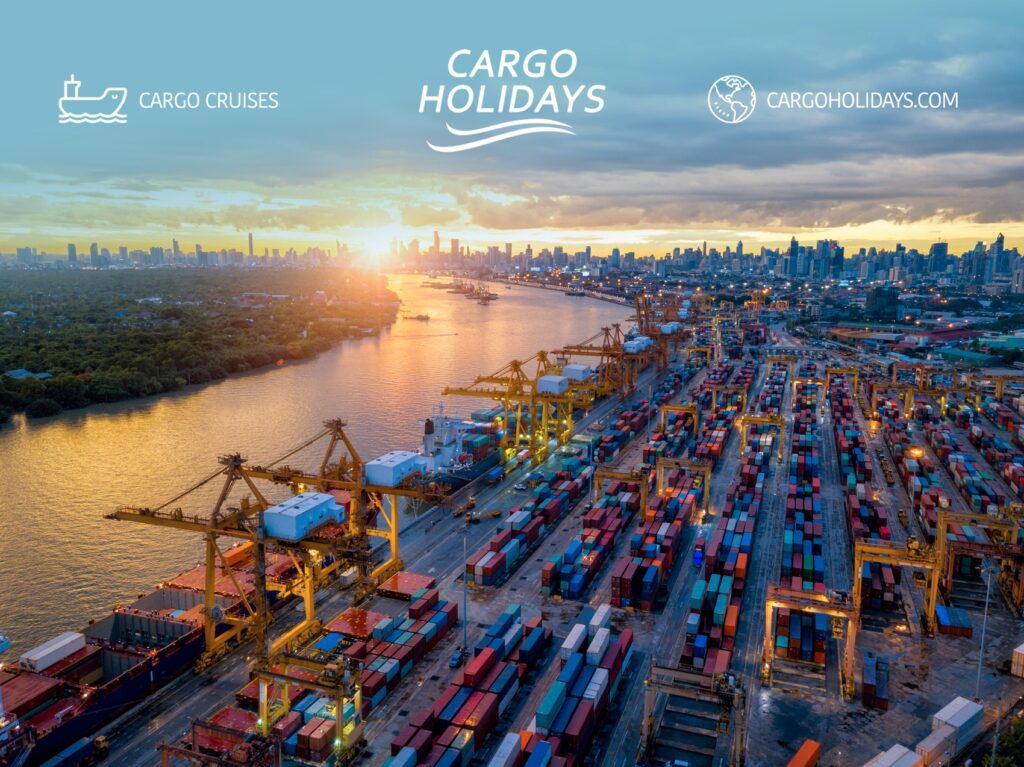
Deck officers navigate the ship and manage cargo operations.
How to become a merchant navy officer in the UK
The most common route is a sponsored cadetship:
Apply to a shipping company or training provider that sponsors cadets. Many cover your tuition and pay a training allowance.
Study at a maritime college (for example in Southampton, South Shields, Glasgow, Fleetwood or Plymouth) for a foundation degree, HND or degree.
Complete sea time on board ships between college phases.
Pass your Maritime and Coastguard Agency (MCA) exams and orals to earn your Officer of the Watch Certificate of Competency.
Cadetships usually take about three years. Deck, engineering and ETO routes are available.
Requirements for any job at sea
ENG1 medical certificate: the UK seafarer medical, carried out by an MCA-approved doctor
STCW basic safety training: sea survival, firefighting, first aid and personal safety
Seafarer ID and a valid passport
Good eyesight and colour vision for deck roles
Right to work and the ability to spend months away
What does a cargo ship job pay?
Pay varies by rank, flag, company and contract. As a broad guide, ratings earn less than officers, and senior officers such as captains and chief engineers can earn very good salaries. Many UK seafarers working outside UK waters may qualify for the Seafarers’ Earnings Deduction, which can reduce income tax. Check HMRC’s rules.
Port calls are the busiest time for the crew.
Rota and lifestyle
Contracts commonly run from about 2 to 6 months on board, followed by leave
Watches are often four hours on, eight hours off
Accommodation: a private cabin with an en-suite on most modern ships
Connectivity is better than it used to be, with crew Wi-Fi on many ships
Shore leave can be short because port calls are quick
Passionné par le voyage lent et la mer. Steve connaît la plupart des routes maritimes et des procédures pour découvrir notre beau monde depuis la mer sur un porte-conteneurs. Il a participé à la plupart des voyages, de 7 jours en cargo à 140 jours à bord.
S'installer en France depuis le Royaume-Uni après le Brexit : visas de long séjour 2026, cartes de séjour, couverture médicale, frais de déménagement, emmener sa voiture et...
Expédition de palettes depuis le Royaume-Uni vers l'Europe et le reste du monde : tarifs 2026, dimensions et poids des palettes, délais de livraison, formalités douanières après le Brexit...
Transférer de l'argent depuis le Royaume-Uni vers l'étranger : comment transférer le produit de la vente d'un bien immobilier et ses économies en cas d'émigration, banques ou prestataires spécialisés, ...
Quel est le métier d'un courtier maritime ? Tout ce qu'il faut savoir sur les courtiers en affrètement et en achat-vente, comment ils perçoivent leurs commissions, le Baltic Exchange, et comment...
Le stockage dans des conteneurs maritimes au Royaume-Uni : coûts mensuels en 2026, dimensions des conteneurs, sécurité, ce que vous pouvez et ne pouvez pas entreposer, et location...
Expédition d'une voiture du Royaume-Uni vers la Nouvelle-Zélande en 2026 : coûts du transport par ferry (ro-ro) vs conteneur, délais de transit, nettoyage sanitaire, GST, etc.
Expédier une voiture au Chypre depuis le Royaume-Uni en 2026 : coûts du transport par ferry (ro-ro) ou par conteneur, délais de transit, droits d'importation, TVA et...
S'installer au Portugal depuis le Royaume-Uni en 2026 : visas D7 et pour nomades numériques, NIF et permis de séjour, frais de déménagement, voitures, soins de santé, etc.