
Importing a Car From South Korea to the UK: Steps & Costs
By Steve Joury / Novembre 1, 2026
Importing a car from South Korea to the UK: NOVA, customs, the approval test and DVLA registration, in the order...
Read More
Importing a car from Netherlands to the UK is a well-worn route, and the hard part is never the shipping — it is turning a foreign vehicle into a UK-registered one. This is the order to do it in, and where people lose time and money.
Three checks, all of which are cheaper to do now than later.
Dutch cars tend to be well documented and well maintained, and the overnight Hull and Harwich crossings make collection straightforward. Expect to sort headlamps before the MOT.
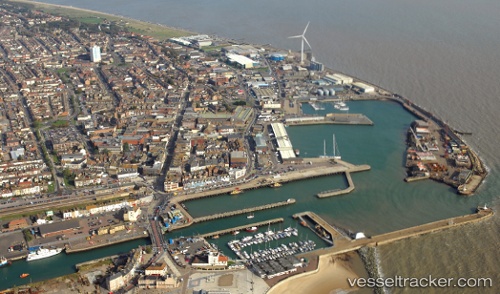
Cars from Netherlands usually leave Rotterdam, Amsterdam and Vlissingen and arrive at Harwich, Hull and Immingham, either on a vehicle deck or sealed in a container.
These happen in sequence, not in parallel. The NOVA notification has a deadline measured from arrival, and missing it causes problems that are tedious to unwind, so make it the first thing you do rather than the thing you get round to.
Because the Netherlands drives on the right, the headlamps are aimed for right-hand traffic and will dazzle oncoming drivers here. They need adjusting or replacing before an MOT. The rear fog lamp may be on the wrong side, and a speedometer in kilometres needs to be able to show miles per hour.
For a car already in Europe there is a real choice. Collecting it and driving home is quick, costs little beyond fuel and a crossing, and lets you inspect the car before money changes hands. It also means driving an unfamiliar vehicle on foreign insurance, and you need temporary cover and the foreign plates to be valid for the journey.
A transporter or a container costs more and takes longer, but the car arrives on a lorry rather than on its own tyres. For anything valuable, anything unregistered, or anything you would rather not put a thousand miles on before you own it properly, that is money well spent.
The approval test exists to confirm a vehicle built for another market is safe and legal here. It is not an MOT and it is more searching: lighting, glazing, mirrors, seatbelt anchorages, emissions and the speedometer all get attention, and so does the structure if the car has been modified. A vehicle that already holds European type approval can often skip it; one built for another market almost never can.
The practical consequence is that you should establish the approval route before you buy, not after it lands. It is the difference between a formality and a bill.
Beyond the price of the car: transport, customs duty and import VAT where they apply, the approval test, first registration and vehicle tax, an MOT, and any remedial work. The duty and VAT position turns on the car’s origin, its age and your own circumstances — a vehicle of historic interest is treated differently from a modern one, and someone relocating to the UK is treated differently from someone buying a car abroad.
Ask us about bringing a car back from Netherlands — tell us the vehicle and where it is now.