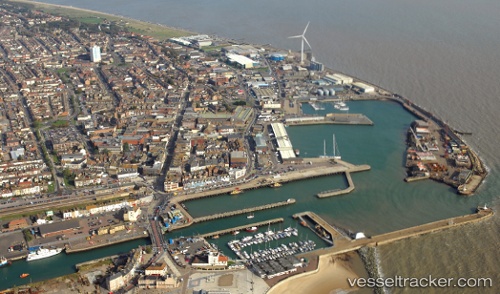
How Much Does a Container Ship Cost? Prices of New and Used Cargo Ships
By Steve Joury / octobre 22, 2026
How much does a container ship cost? New-build and second-hand prices by size, from feeders to 24,000 TEU giants, plus...
Read More
Last updated: 22 October 2026
Yes, you can still travel from the UK to the USA by boat. In 2026 there are three realistic ways to cross the Atlantic without flying: the Cunard ocean liner Queen Mary 2, a passenger cabin on a working cargo ship, or a seasonal repositioning cruise. The fastest takes about a week; the most adventurous takes 9 to 14 days and puts you on the bridge of a container ship in mid-ocean.
This guide compares all three, explains what each really costs, and walks you through visas, ports and booking. It works in both directions, so if you are searching for a boat from New York to London, read on too.
| Option | Typical departure | Time at sea | Indicative cost per person | Best for |
|---|---|---|---|---|
| Queen Mary 2 ocean liner | Southampton ↔︎ New York | 7 nights | From around £675 sharing an inside cabin on selected dates | Comfort, a fixed date, the classic liner experience |
| Cargo ship (freighter) | Liverpool, Southampton, London Gateway, Antwerp, Hamburg, Le Havre | About 9–14 days | Around US$90–150 a day, so roughly €1,000–2,000 one way | Adventure, peace and quiet, slow travel |
| Repositioning cruise | Southampton and other European ports (spring and autumn) | 10–16 nights, often via the Azores or Caribbean | Varies widely by line and season | Sun, entertainment, island stops |

Prices are indicative and change with season, cabin and availability. Ask us for a live quote.

Cunard’s Queen Mary 2 is the only ship that runs a regular scheduled transatlantic service. A crossing between Southampton and New York takes seven nights, with full board included. It is the most comfortable and predictable way to go: fixed departure dates, restaurants, entertainment and a strict timetable.
The trade-off is that it is a cruise experience. You share the ship with over 2,000 guests, and the price climbs quickly once you move above an inside cabin.
A freighter crossing is the choice for travellers who want something genuinely different. Container and cargo ships carry a small number of paying passengers, usually 12 or fewer, in cabins near the officers’ quarters. You eat with the officers, can often visit the bridge, and spend your days reading, watching the ocean and spotting whales.
How long it takes. Expect around 9 to 14 days depending on the route and port calls. For example, one transatlantic container service has scheduled Liverpool to Halifax in 9 nights and Liverpool to New York in 11 nights.
What it costs. Freighter fares are charged per day, typically about US$90–150 per person, including your cabin and three meals a day. A one-way crossing usually lands between €1,000 and €2,000 per person, plus a booking fee and travel insurance.
Typical ports.
What it is not. Cargo ships run to a commercial schedule, not a holiday one. Departure dates can move by a few days, and the ship may stay longer in port or skip a call. Keep your plans at each end flexible and never book a non-refundable flight or hotel on the day you are due to arrive.
Each spring and autumn, cruise lines move ships between European and American seasons. These one-way “repositioning” voyages are often good value per night and usually stop at islands such as the Azores, Madeira or Bermuda on the way. They are longer than a direct crossing and only run a few times a year, so they suit travellers who are flexible on dates.
This is the step most travellers miss.
Freighters have no doctor on board, so lines set their own limits. Upper age limits commonly sit between 75 and 85. One transatlantic operator, for example, has accepted passengers from age 2 to 85. You must be able to climb steep stairs and ladders and board via a gangway. Tell us about any medical condition when you enquire so we can match you to a suitable ship.
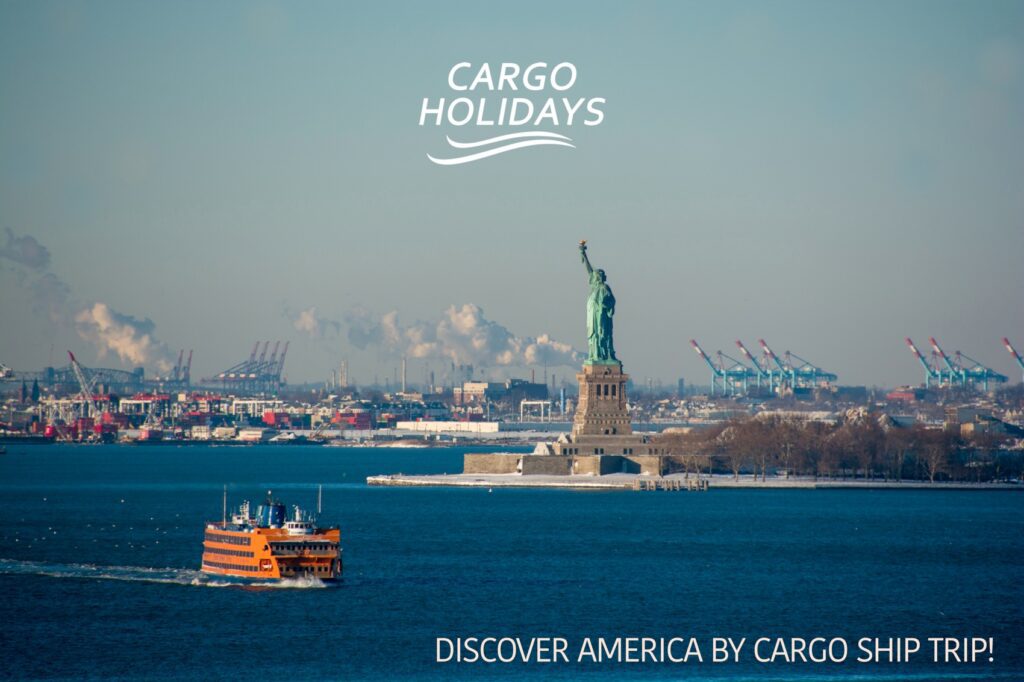
Everything above works eastbound too. The Queen Mary 2 sails New York to Southampton in seven nights, and cargo ships leave New York/Newark and Baltimore for UK and northern European ports. From Southampton, Liverpool or London Gateway, you are only a short train ride from central London.
Seven nights on the Queen Mary 2, or about 9 to 14 days on a cargo ship depending on the route and port calls.
It depends on the dates. A cargo ship or an off-season repositioning cruise can cost less per night than the Queen Mary 2, but always compare total trip cost, including insurance and transfers.
Yes. The Queen Mary 2 sails New York to Southampton, and cargo ships sail from New York/Newark and Baltimore to UK and European ports.
Passengers cannot drive their own car on board a container ship, but the vehicle can be shipped as cargo on the same route. Ask us about combining passage and car shipping.
Some ships offer limited, paid satellite Wi-Fi; many do not. Plan to be largely offline, which is half the appeal.
Only if the operator is not an approved Visa Waiver Program carrier. In that case you need a B-1/B-2 visa rather than ESTA.
We’ll match you with sailings in your travel window.
Get a free transatlantic quote →