Cargo Ship to South America: Freighter Travel from Europe to Brazil, Uruguay & Argentina
Last updated: 22 October 2026
Sailing from Europe to South America on a cargo ship is one of the most rewarding freighter voyages you can take. You cross the equator, follow the old trade routes south, and call at ports from West Africa to Brazil, Uruguay and Argentina. It is slow travel at its best, and ideal for overlanders, long-term travellers and anyone who wants to arrive without flying.
Routes and ship types
Two main kinds of ship carry passengers between Europe and South America:
Ship type
Typical route
Journey time
Notes
Ro-ro / con-ro
Northern Europe → West Africa → Brazil → Uruguay → Argentina
About 4–6 weeks to Buenos Aires
Often carries vehicles; some have a dedicated passenger deck
Container ship
Northern Europe or the Mediterranean → Brazil → River Plate
About 3–5 weeks
Faster, with fewer port calls
Typical European departure ports include Antwerp, Hamburg, Rotterdam, Le Havre and Tilbury or other UK ports on some rotations. Arrival ports often include Vitória, Rio de Janeiro, Santos, Paranaguá, Montevideo, Buenos Aires and Zárate.
Crossing the equator is a highlight of the voyage to South America.
How long does it take?
Europe to Brazil: around 2–4 weeks, depending on port calls
Europe to Uruguay or Argentina: around 4–6 weeks
Round trip: around 9–12 weeks
Ro-ro ships calling in West Africa (for example Dakar, Conakry, Lagos or Cotonou) take longer, but give you extra ports to see.
Taking your vehicle
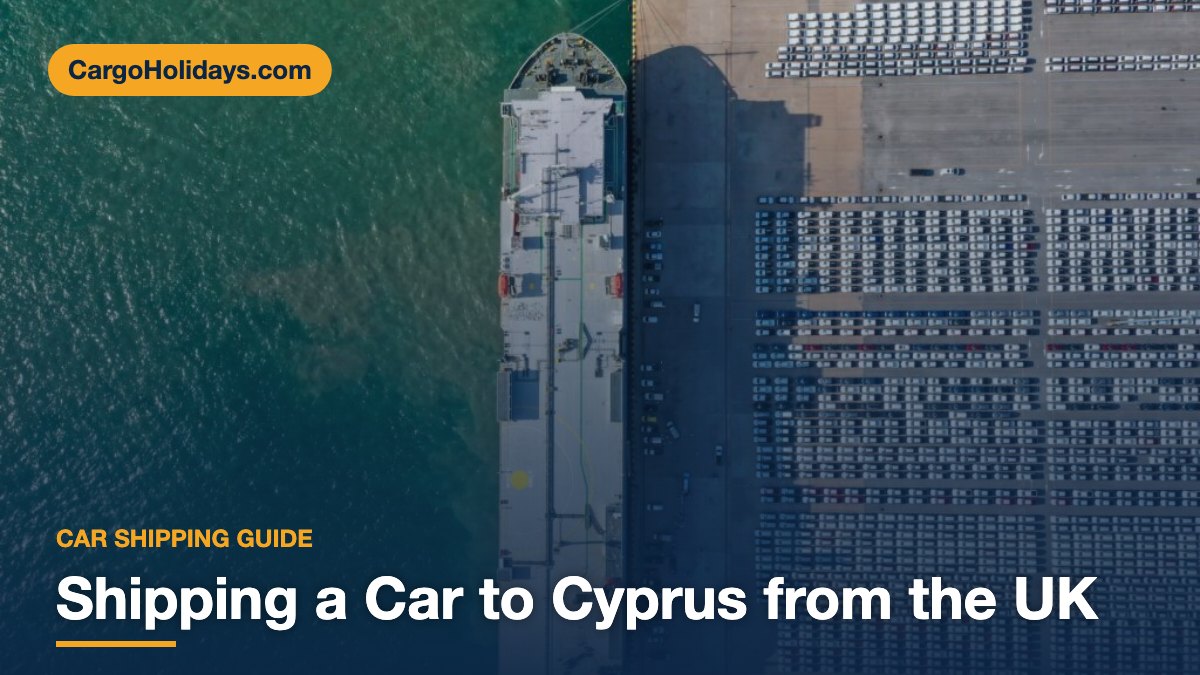
This route is popular with overlanders driving the Americas. Your campervan or 4×4 travels as cargo, sometimes on the same ro-ro ship you sail on. Vehicle space and passenger cabins are booked separately. You will need:
The vehicle registration document and proof of ownership
Temporary import permits, arranged at the destination
A clean, empty vehicle, with personal items restricted on ro-ro
Insurance for both the voyage and the road
What does it cost?
Passenger fares are usually charged per day, roughly US$90–150 per person, including all meals. A six-week voyage to Buenos Aires can therefore cost around US$3,800–6,300 per person, plus booking fees and insurance. Vehicle shipping is priced separately by size.
Port calls in Brazil can last from a few hours to two days.
What the voyage is like
Cabins: outside cabins with private shower and toilet, near the officers
Food: three set meals a day in the officers’ mess
Crossing the line: many crews mark the equator crossing with a traditional ceremony
Wildlife: flying fish, dolphins, seabirds and sometimes whales
Port days: go ashore when time allows, with your passport and the agent’s contact details
Visas: UK passport holders can currently visit Brazil, Uruguay and Argentina visa-free as tourists, but rules change. Brazil has reintroduced visas for some nationalities, so check government advice.
Yellow fever vaccination: recommended or required for some West African ports and parts of Brazil
Medical certificate and specialist travel insurance covering evacuation at sea
Frequently asked questions
Can you take a cargo ship to South America?
Yes. Some ro-ro and container ships carry a few passengers from Europe to Brazil, Uruguay and Argentina.
How long does a cargo ship take from Europe to Brazil?
Typically 2–4 weeks, depending on the route and port calls.
How much does it cost to sail to South America on a freighter?
Around US$90–150 per person per day, meals included. A 4–6 week voyage usually costs a few thousand dollars.
Can I ship my car or campervan to South America?
Yes, usually by ro-ro or container. It is booked separately from your passenger cabin.
Do I need vaccinations?
Yellow fever vaccination may be required for some ports. Check with a travel clinic well before you go.
Sail south to South America
Tell us your dates and whether you’re taking a vehicle, and we’ll check suitable ships.
Leidenschaftlich über langsame Reise und Meer. Steve kennt die meisten Schifffahrtsrouten und Verfahren, um unsere schöne Welt vom Meer aus auf einem Containerschiff zu entdecken. Er war auf den meisten Reisen von 7 Tagen auf Frachtfahrt bis zu 140 Tagen an Bord.