
How Much Does a Container Ship Cost? Prices of New and Used Cargo Ships
By Steve Joury / octubre 22, 2026
How much does a container ship cost? New-build and second-hand prices by size, from feeders to 24,000 TEU giants, plus...
Read More
Last updated: 22 October 2026
Freighter travel is generally very safe. Commercial ships are built for the open ocean, crews are trained to strict international standards, and passengers follow the same safety procedures as the crew. The real differences from a cruise are the lack of a doctor on board and the working environment of a cargo ship. Here is an honest look at the risks and how they are managed.
Every merchant ship follows the international SOLAS (Safety of Life at Sea) rules. On your first day you receive a safety briefing covering:
Regular drills take place during the voyage, usually weekly, and passengers take part.
Modern container ships are designed to handle ocean storms, and captains use weather routing to avoid the worst systems. You may still meet heavy seas, especially on the North Atlantic in winter or around southern Africa. Stay inside when the crew advises, keep one hand for the ship on stairs, and secure loose items in your cabin.

This is the main thing to understand. There is no doctor on a cargo ship. Officers are trained in first aid and medical care, the ship carries a medical chest, and the captain can get radio medical advice from shore doctors. In a serious emergency the ship may divert to a port or arrange an evacuation. That is why lines ask for:
Piracy is rare on the main routes most passengers travel. Shipping lines follow international security guidance, avoid high-risk waters where possible, and use extra measures such as security watches when sailing through areas with a history of incidents. If your route passes such an area, the crew will brief you on procedures.
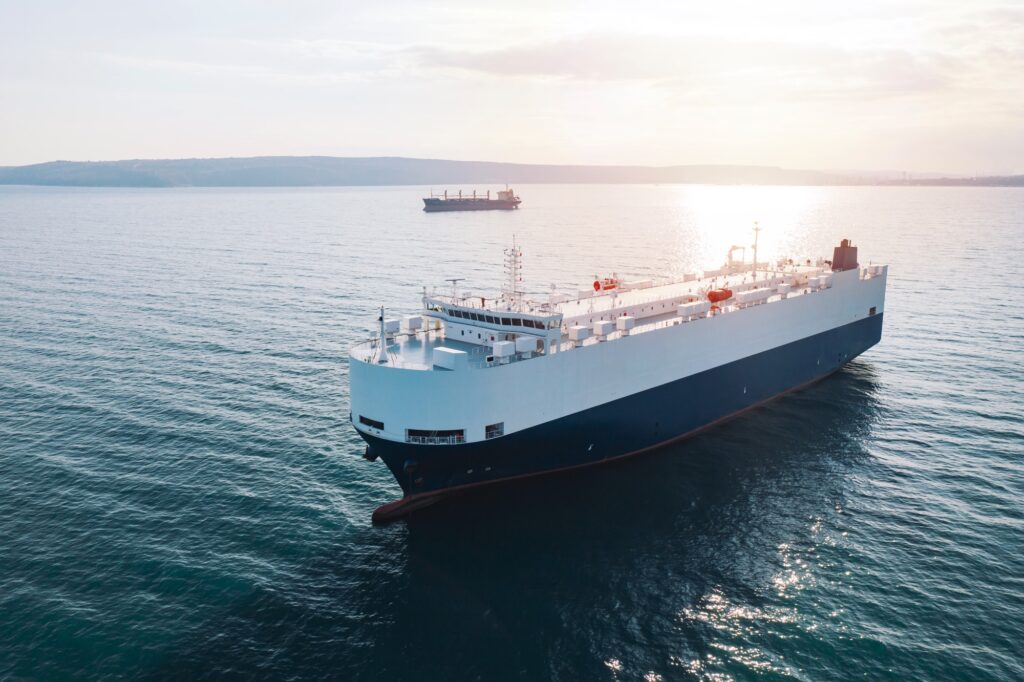
Yes, generally. Merchant ships follow strict international safety rules and passengers join regular drills.
No. Officers are trained in first aid and can get radio advice from shore doctors, which is why medical certificates and evacuation insurance are required.
It is rare on the main passenger routes. Lines follow international security guidance and avoid high-risk waters where possible.
Captains route around the worst weather, and modern ships are built for ocean storms. Passengers stay inside when advised.
Yes. You join a safety briefing on day one and regular drills during the voyage.
Ask us about the ship, the route and the season before you book.
Ask our team →