Cargo Ship to New Zealand: How to Sail from the UK or Europe to NZ (2026 Guide)
Last updated: 22 October 2026
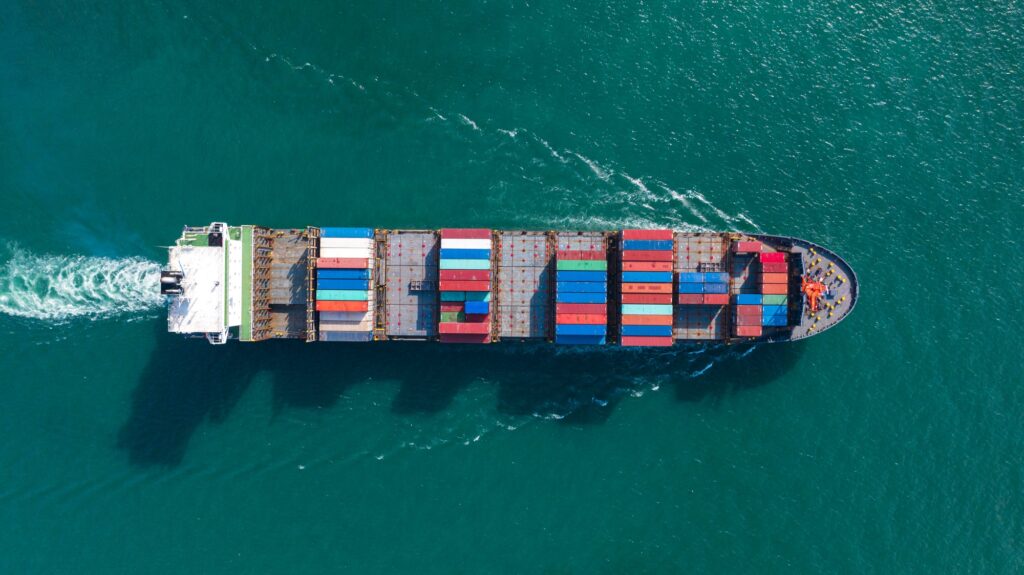
Reaching New Zealand without flying is the ultimate slow-travel challenge, and a cargo ship is the most practical way to do it. It is a long voyage, often six weeks or more, but it takes you across oceans few travellers ever see, with a cabin of your own and a working crew for company.
How to get to New Zealand by sea
There is no scheduled passenger liner from the UK to New Zealand. Your realistic options are:
Option
Typical route
Time at sea
Frequency
Container ship via Panama
Northern Europe → Caribbean → Panama Canal → South Pacific → NZ
About 5–7 weeks
Regular, though passenger cabins are limited
Container ship via Asia
Europe → Suez → Asia → Australia or NZ
About 6–8 weeks
Regular, often with a change of ship
Via Australia
UK → Australia by freighter, then a feeder ship or ferry-style connection
6–8+ weeks
Depends on connections
World cruise segment
Southampton → Auckland
5–7 weeks
Once a year or so
Ports of arrival include Auckland, Tauranga, Napier, Wellington, Lyttelton (Christchurch) and Port Chalmers (Dunedin).
Most voyages to New Zealand spend six weeks or more at sea.
The Panama route
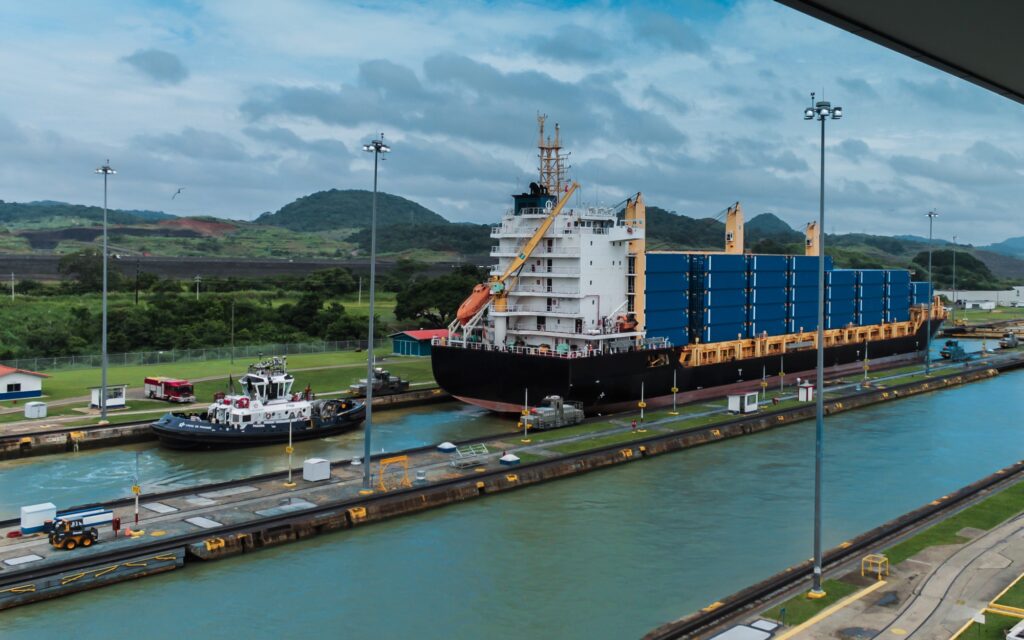
Westbound services that cross the Atlantic, transit the Panama Canal and then sail the vast South Pacific are a dream voyage for many. You may pass Pitcairn or other remote islands at a distance, cross the International Date Line and spend weeks without seeing land. Read our Panama Canal transit guide.
How long does it take to sail to New Zealand?
Plan on at least 5–7 weeks from Europe, and longer if you change ships or the route goes via Asia. Freighter dates can shift by days, so keep onward plans flexible.
Westbound services to New Zealand often transit the Panama Canal.
How much does it cost?
At a typical US$90–150 per person per day including meals, a six-week voyage costs about US$3,800–6,300 per person, plus booking fees, port taxes and insurance. Larger owner’s cabins cost more.
Entry rules and biosecurity
NZeTA: most visa-waiver travellers need a New Zealand Electronic Travel Authority, and the rules for sea arrivals can differ from those for air. Check the official Immigration New Zealand guidance before you sail.
Biosecurity: New Zealand is extremely strict. Clean shoes, walking poles and camping gear, and do not carry fresh food, plants or seeds ashore.
Medical certificate and insurance, including evacuation at sea and deviation
Leidenschaftlich über langsame Reise und Meer. Steve kennt die meisten Schifffahrtsrouten und Verfahren, um unsere schöne Welt vom Meer aus auf einem Containerschiff zu entdecken. Er war auf den meisten Reisen von 7 Tagen auf Frachtfahrt bis zu 140 Tagen an Bord.
Umzug aus Großbritannien nach Frankreich nach dem Brexit: Visa für einen Langzeitaufenthalt ab 2026, Aufenthaltskarten, Gesundheitsversorgung, Umzugskosten, Mitnahme des Autos und...
Palettenversand aus Großbritannien nach Europa und weltweit: Kosten für 2026, Palettengrößen und -gewichte, Transportzeiten, Zollabfertigung nach dem Brexit...
Geldüberweisungen aus Großbritannien ins Ausland: So überweisen Sie den Erlös aus einem Hausverkauf und Ihre Ersparnisse bei einer Auswanderung – Banken vs. spezialisierte Anbieter, ...
Lagerung von Schiffscontainern in Großbritannien: Monatliche Kosten für 2026, Containergrößen, Sicherheit, was man lagern darf und was nicht, sowie Anmietung...
Autotransport von Großbritannien nach Neuseeland im Jahr 2026: Ro-Ro- vs. Container-Kosten, Transportzeiten, Reinigung aus biosicherheitstechnischen Gründen, GST, ...
Umzug von Großbritannien nach Portugal im Jahr 2026: D7- und Digital-Nomad-Visa, NIF und Aufenthaltsgenehmigung, Umzugskosten, Autos, Gesundheitsversorgung, ...